

Solstice Earth & Adolescent Psyche: A Meander Through Time
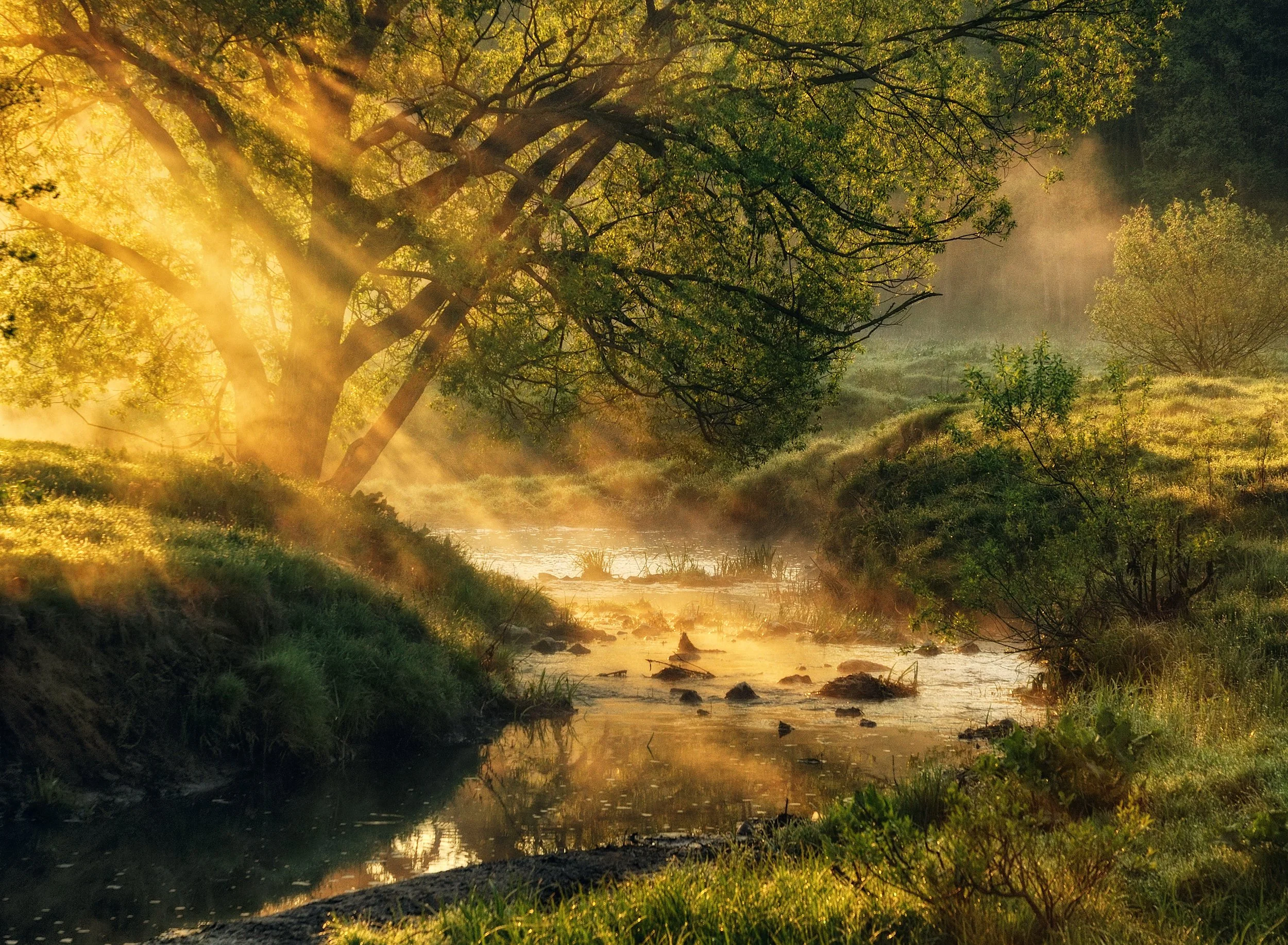
December 24, 2025 — Allow me to meander in this post. Stay with me. We will arrive, I promise.
Time is a funny thing, and at the Winter’s Solstice, this is where my mind goes. This weird way of marking the path from the birth bed to the death bed. I suppose it’s not that time is weird. It’s the way we play with it, cram it into little boxes labeled with numbers. What is a day? A week? An eon? What is a moment? If we pay attention we begin to realize that all of the moments of our lives intertwine, come back round, the past is now present, and the future has always been in our back pocket, or in the pages of a book we read.
I wrote my doctoral dissertation when I was in my early 50’s. I would sit at my desk that was situated in a corner with a window before me of the Cascade mountains looking east and a window to the north of me where a large Maple tree kept me faithful company all through those years of writing. There was an immense falling apart of family, identity, dreams, and love when I began the dissertation. I felt I invited it to some degree as I invoked Dionysos as my guide through the research process. My research topic was my own adolescence and trauma, and the adolescents I had taught in the alternative high school. It was a descent of the most painful kind as our family was bludgeoned by a terrible betrayal. The Maple tree witnessed it all with stalwart grace. Everyday I was grateful.
When I was 48 years old I re-read my very old trade paperback copy of Annie Dillard’s PIlgrim at Tinker Creek. I first encountered this mesmerizing book of deep magic when I was 16 or 17 years old. I would take the book to Maymont Park in Richmond, VA, read, write, and wonder about the things that Dillard showed me—how the cosmos appears in the rivulet of a small Appalachian creek just down the road from me; that our cells, bones, and hearts are imprinted and formed by the earth we stand on; and how imagination can save your soul. I wrote in my journal:
“Dillard writes this beautiful last passage on seeing ‘a maple key, a single winged seed from a pair.’ A few nights ago as I picked the book up to read, something fell out of the book, a maple key, old, flat, sepia-toned, plucked from beneath a maple tree under which I sat 32 years ago as a young girl filled with romantic dreams and idealism about the world. A few nights later as I pulled the covers back to crawl into bed, there was a piece of brown paper, so I thought. I brushed it away. It was the maple key, crumbled, broken. It has sat in the book for 32 years and in a few hours it was making its way to dust. I kicked myself that I had not properly preserved this little remembrance from the past, but now, as I write this, it seems fitting—temporality, vulnerability, dust to dust, letting go, moving on, and yet, and yet, the past Beauty and Time walk beside me—always, timeless and dark and lovely.”
That passage found its way into my research and into my dissertation. So there I was—my world coming down around me in my early fifties—returning to a book that had once lifted me during a vulnerable time in my adolescence. In that moment, past and present braided together. But it is only now, more than a decade later, sitting at my table and writing again, that I see another place where all the moments touch.
I am sixteen years old, sitting under a Maple tree in Virginia, reading Annie Dillard.
I am forty-eight, rereading Pilgrim at Tinker Creek on an island in Washington State, when a Maple key slips out of the book.
I am fifty-something, at my desk on that island, writing about sitting under a Maple tree reading Annie Dillard.
I am sixty-four, sitting at a grand old table in a house back in Virginia tucked between the Rappahannock River and its canal, writing about being sixteen, forty-eight, and fifty—writing about Maple trees and Maple keys.
And it dawns on me now that I missed something then as I wrote my dissertation.
The faithful tree outside my window on the island was the same kind of tree I sat beneath at sixteen. The seed pod that traveled across the continent inside a book for three decades came from the same lineage. I like to imagine my writing companion outside that window smiling the whole time, knowing what I did not yet know—that time is not a straight line but a path we meander, looping back, leaping forward, carrying more with us than we realize.
Now, Tinker Creek is just down the road again. My old paperback still rests on the shelf. Someone else sits at that island window and talks with the Maple, I hope. And I have looped back around to it all—the many ages I have been, back to my childhood home, the long thread of the Maple running quietly through them.
It is this looping, this convergence—this standing in a liminal space where past and future touch—that reminds me of Adolescence itself: that threshold season of becoming, when time feels both suspended and urgent, when meaning is made not by arrival but by inhabiting the in-between. And it is from this place, this betwixt-and-between way of being, that I turn toward the solstice.
On Sunday, December 21, 2025, at precisely 10:03am Eastern Standard Time, the Earth stands at a tipping point, exactly betwixt and between Light and Dark, Winter and the slow unwinding path to Spring. It is the moment out of all moments of the year which I feel most intensely—that pivot point. The Winter Solstice is the Earth and Sun breathing together, the potent space between the inhale and exhale, when all is still, held, and ready for release. Ready for the next second, the next cosmic event, the next uncanny revolution around the Sun.
Adolescence lives in this same place—betwixt and between. It is a solstice of the human life cycle, a liminal crossing where the old light fades and the new light has not yet fully arrived. Teenagers stand at a tipping point of identity and meaning, suspended between who they have been and who they are becoming. Like the winter solstice, it can look dark from the outside, feel disorienting, even frightening. And yet it is precisely here, in the stillness and uncertainty, that something essential is forming.
This is why adolescence is not a problem to be solved but a mystery to be tended. It is a sacred pause in time, a long inhale before the exhale of adulthood. Meaning-making happens here—not through certainty, but through wonder, story, memory, grief, longing, imagination. The Adolescent psyche, like the Solstice Earth, needs witnesses who understand that not-knowing is not failure, that darkness is not emptiness, that waiting is not wasted time.
Perhaps this is what the Maple has been teaching me all along. Seeds fall, crumble, return to dust. Time loops and folds in on itself. What mattered at sixteen still matters at sixty-four, just in another register. The past walks beside us, and the future hums quietly beneath our feet. Adolescence, like solstice, reminds us that transformation does not announce itself loudly. It arrives softly, in thresholds, in breath-held moments, in the quiet assurance that even now—especially now—the light is already beginning its return.
Photo Credit: By sergnester