

Hope Merchanting
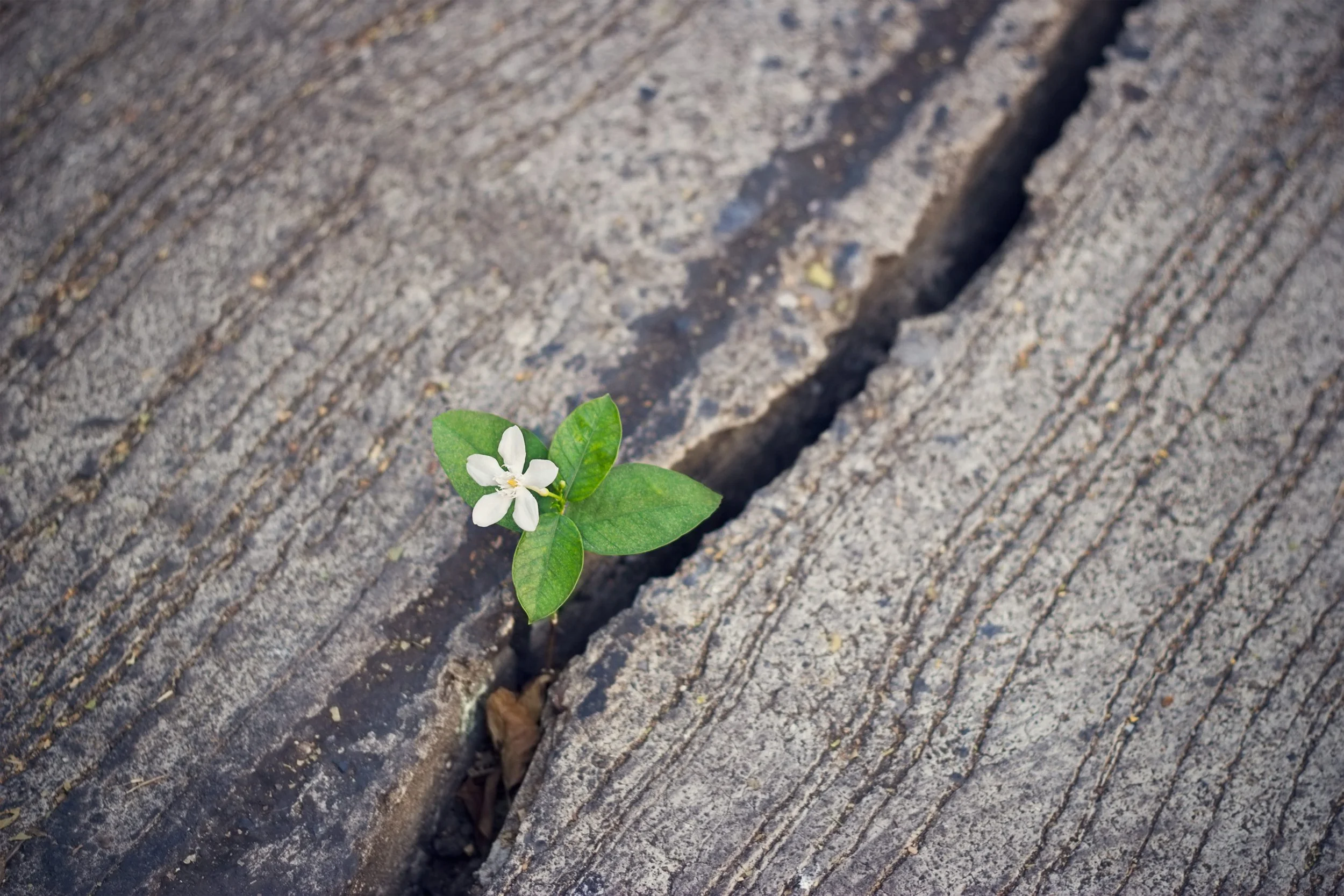
It comes with the territory of being a human service provider, like a therapist or a teacher or parent or grandparent – people come to us in states of despair and hopelessness. Once you’ve listened to a few of these stories, it’s hard not to fall into those places ourselves.
One of the gifts that the Internal Family Systems paradigm brings, not just to therapists and practitioners but to everyone, is a map that shows us a way through the dark places.
Sal—A Story
I started seeing Salvador when he was almost 13 years old. He had been to multiple therapists before he came to my office. When I asked him what worked and didn’t work with other therapists, he said—like so many people young people who have come to me from failed attempts at therapy, “They just wanted me to keep telling my story and telling me how to fix it.”
When I brought him to the sand tray. I told him “If you’d like we can sit here and you can just move the sand around. There are hundreds of images you can put in the tray. You can sift your fingers through the sand. You don’t have to say a word.” Salvador took a deep breath and he said quietly, “I can do that.” And for a very, very long time, week after week, Sal would come and sit at the sand tray, arranging the sandtray figures in the sand, put them back on the shelf, pull out more, arrange and rearrange. All in silence as I witnessed him.
I would ask him a few questions every now and then.
Safe ones like:
what are your favorite and least favorite subjects; who are your friends;
tell me about your sister;
what is your favorite thing to eat.
However, in an internal system like Sal’s, no question is safe. Every question leads to wounding and exiled parts. He had a very complicated relationship with food, a love/resentment relationship with his sister, and felt totally isolated at school.
In the jargon of IFS, we would say that Sal was exile-led. His protective system was deeply internalized and self harming of all sorts and suicidality were the norm. It was as if the world was too much with Sal.
As time went on, we were able to go a little bit deeper.
We began to slowly explore the depression and suicidality that flattened him.
I asked him once, If you were to draw a picture, what would I see?
He said, I’m in a dark cave completely dark and I’m by myself.
How big is it? I asked.
I don’t know, I can’t see the walls, he said.
I pushed just a bit more and asked, Is there an opening? Can you see any light at all?
No, it’s all darkness, he said.
How are you in the space? Are you standing, walking, sitting?
He replied, I’m sitting on the floor with my arms curled around my knees, my chin resting on my knees.
I said quietly, It sounds like a very, very scary and hard place to be. Can anyone come in to the space?
No, I have to be here by myself, he answered.
His hopelessness and helplessness billowed in waves over me. This is not a safe thing for a client or a child when the adult who is there to help and anchor them, to be their lifeline is also drowning or huddled in the darkness. Being a hope merchant for clients is to recognize our own hopeless parts, to recognize when we empathically resonate with our clients' exiles and know how to tend to those parts within us. We need the larger perspectives, to trust that while we cannot see Light, Light is there. Bringing Hope to an internal system, like Sal’s, is to compassionately witness, knowing there is a way out. Even if there is nothing in them that allows them to hope.
Persistence, Presence, Patience
Persistence is a necessary quality of Self Energy when we are sitting with hopeless parts. We stay with and we continue to believe and hold hope that they will find a way with our guidance and validating presence. Trying to fix, rescue, or save is doomed to failure with clients who need, for whatever reason, to stay in those places. For however long it takes. (Notice Sal’s language: I have to be here by myself.) These are mysteries. This is the alchemy of relationship and therapy and healing. The alchemy of becoming, of adolescing.
Being a hope merchant is to show up to our own wounded parts in a highly attuned way. We don’t fix, rescue, save, or problem solve. We come to trust the wisdom of our inner system and the presence of Self energy. This then allows us to be with clients and facilitate the same process within them, so they come to trust their inner wisdom and Self energy.
Witnessing and Holding Hope
To validate a person who suffers like Sal is to be with them in such a way that they have the embodied experience of feeling seen, heard, accepted, valued, cared for, and loved for who they are in that moment as they are. Only then do the changes occur from the inside out.
Sal and I worked together for many years. He lived in that darkness for a very long time. He took on the invalidation directed at him from his family, his teachers, and held onto each one, each shard of glass, each piercing nail, each bruising of the heart, as if he were the one that was broken. As if he deserved each one. For a long time he did this. And week after week I held hope.
He landed in the hospital several times from suicide attempts. He tried other therapies to no avail. He was on and off a variety of medications for multiple diagnoses.. As the years went by, he began to venture out of that darkness. He began to have another view of the world and came to understand the woundedness of his mother and his father, that maybe this burden wasn’t all his. We began to talk about the future. He began to grieve, something that can get locked up with our exiles, and once released can bring hope.
When Nothing Else Works
We both have hope now that maybe life can be different. Along the way we look for signs, little markers that might let us know that something larger holds Sal, his burdens, and our work. He brings me uncanny stories about interactions in nature, dreams where he is the hero, and synchronistic events that both of us mark and marvel over.
I don’t know if Sal is going to be okay. I have told him that his suffering is not in vain. I have highlighted the courage and strength it takes to get up day after day in the face of such loneliness and despair. And I held hope when nothing else seemed to work.
We must not underestimate the power of being hope merchants for those kids who descend into these dark places during their long in-between years of adolescence. Sometimes that hope is everything.
Photo by: By ipopba